How has it been setting up this show?
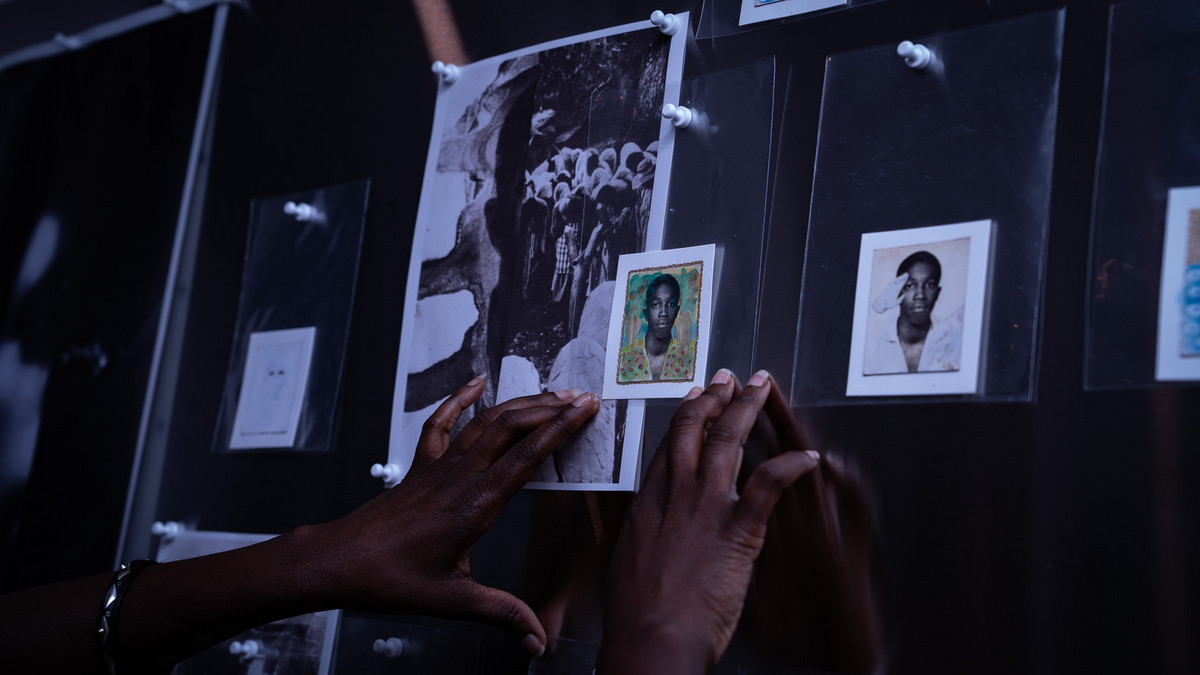
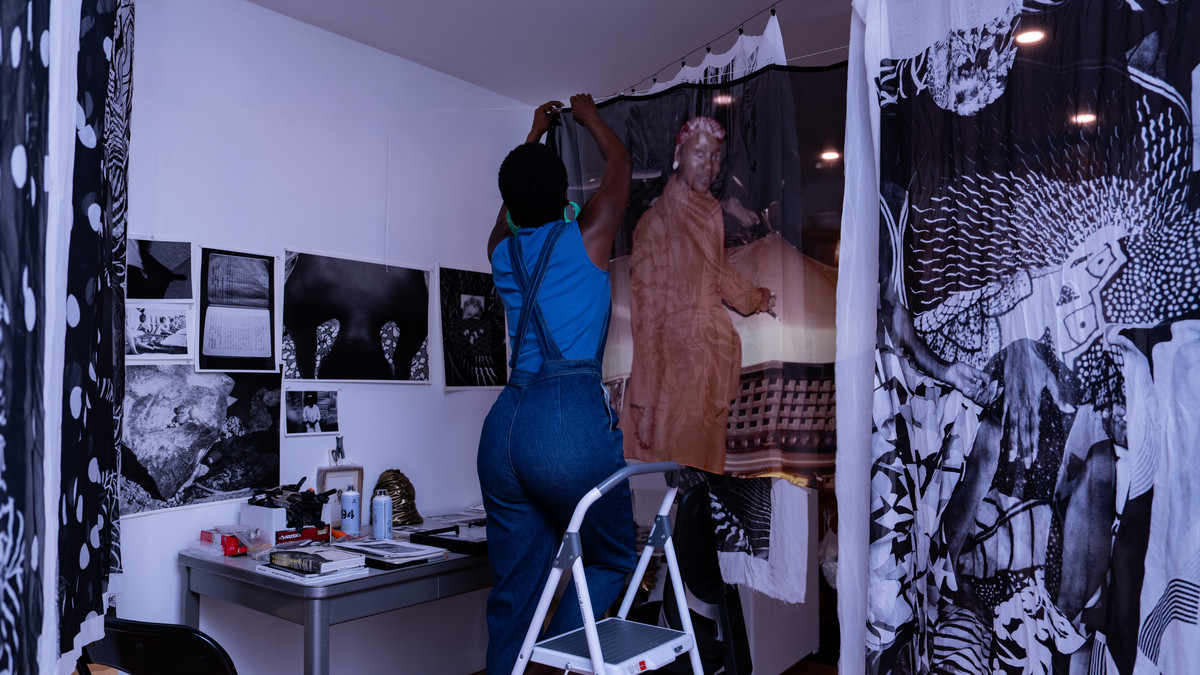
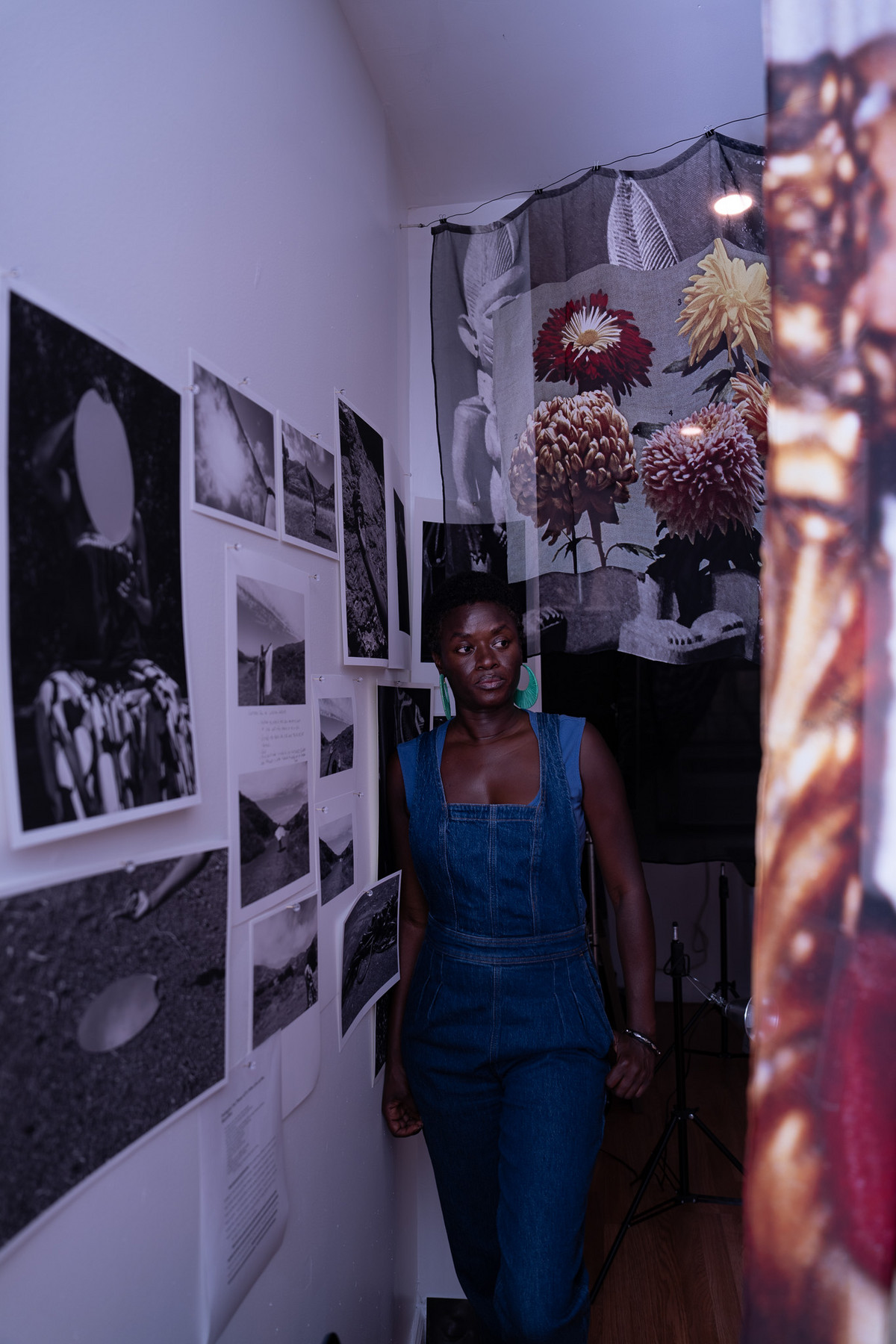
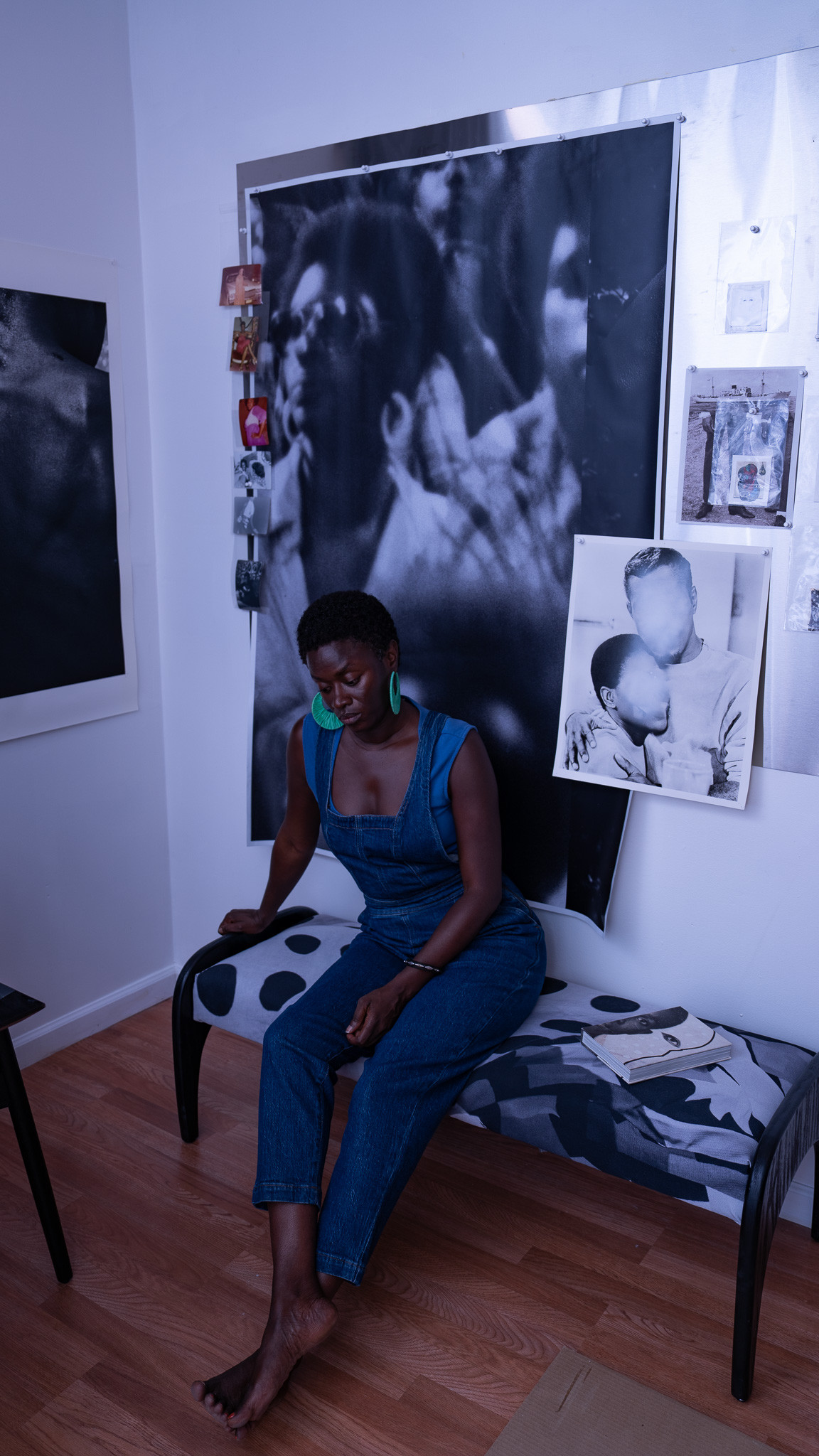
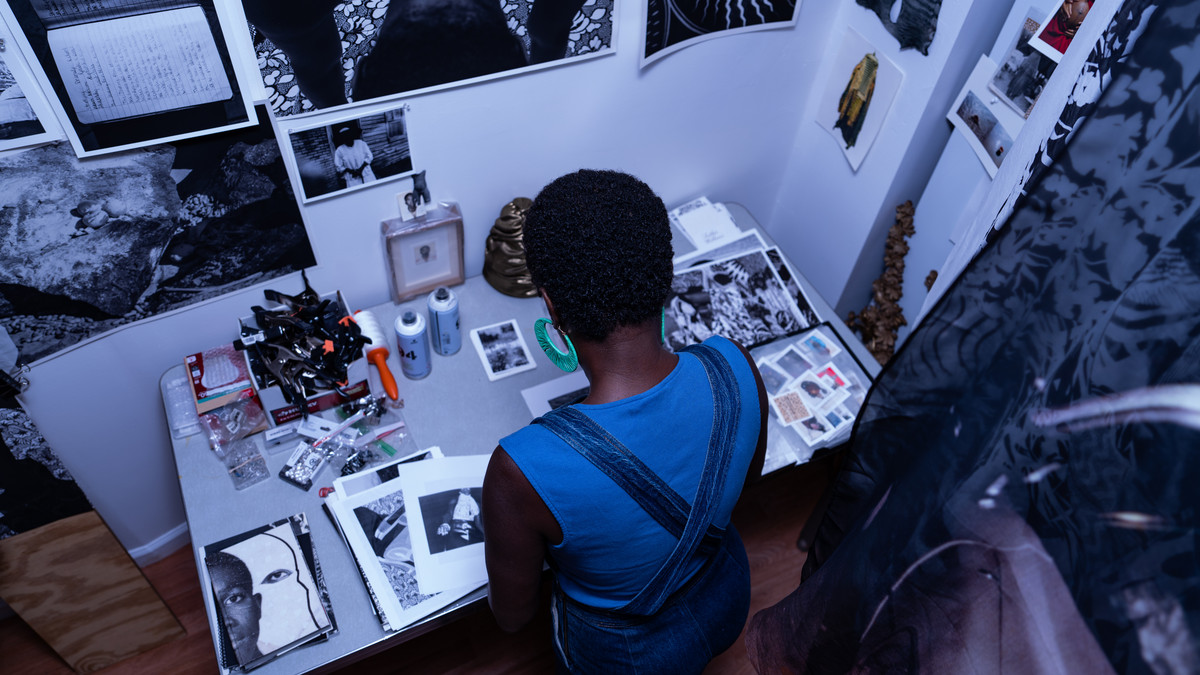
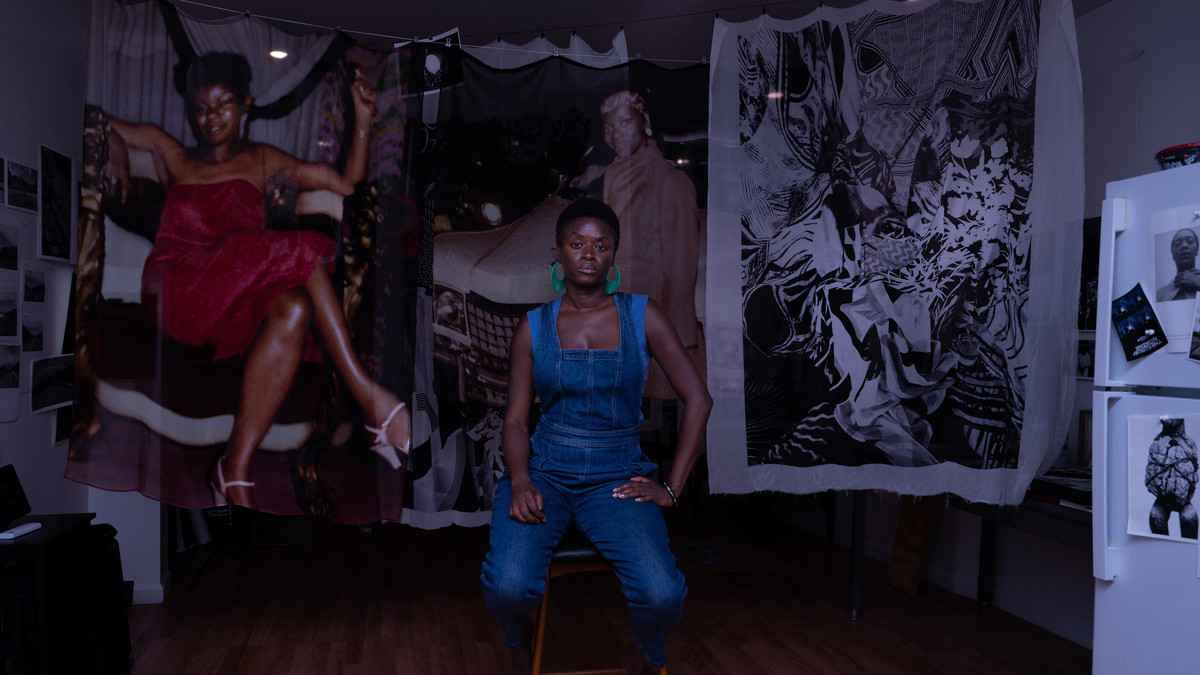
Mostly just been getting the space ready for the open studio, hanging photographic proofs, moving things around, figuring out how I want that body of work to exist here in the space. It’s been nice actually seeing the images off the screen and at scale, all in one place.
What’s the impetus behind these pieces?
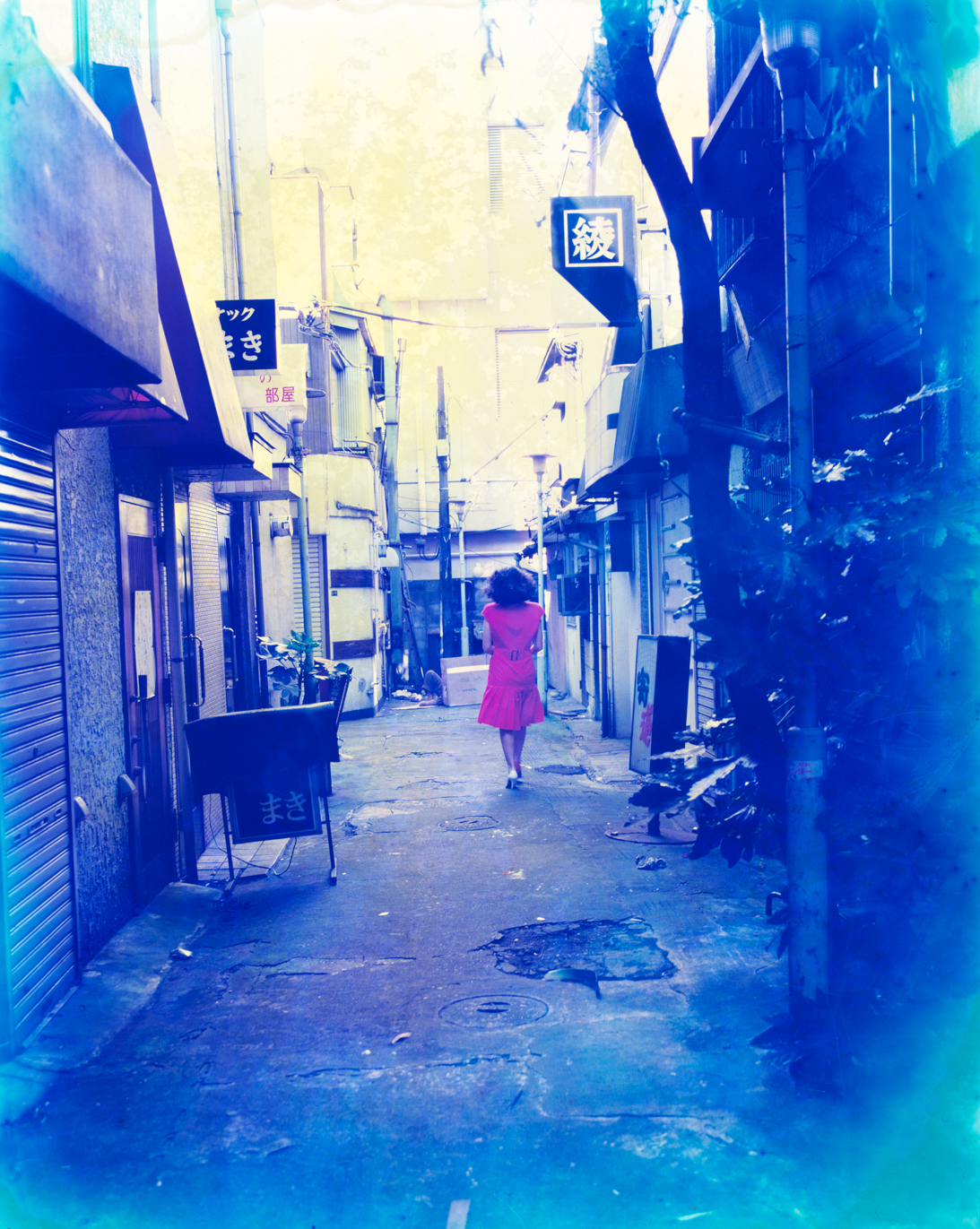
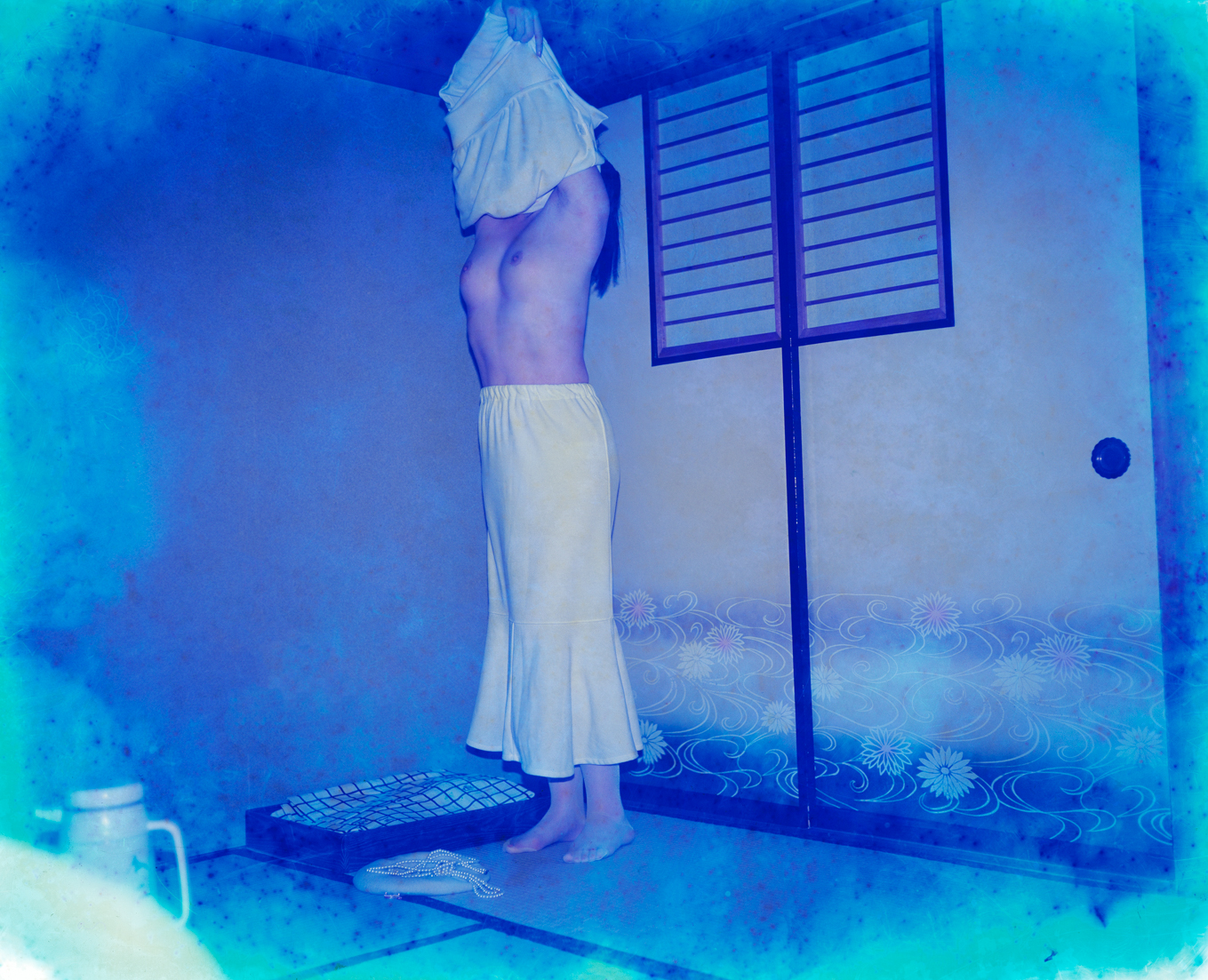
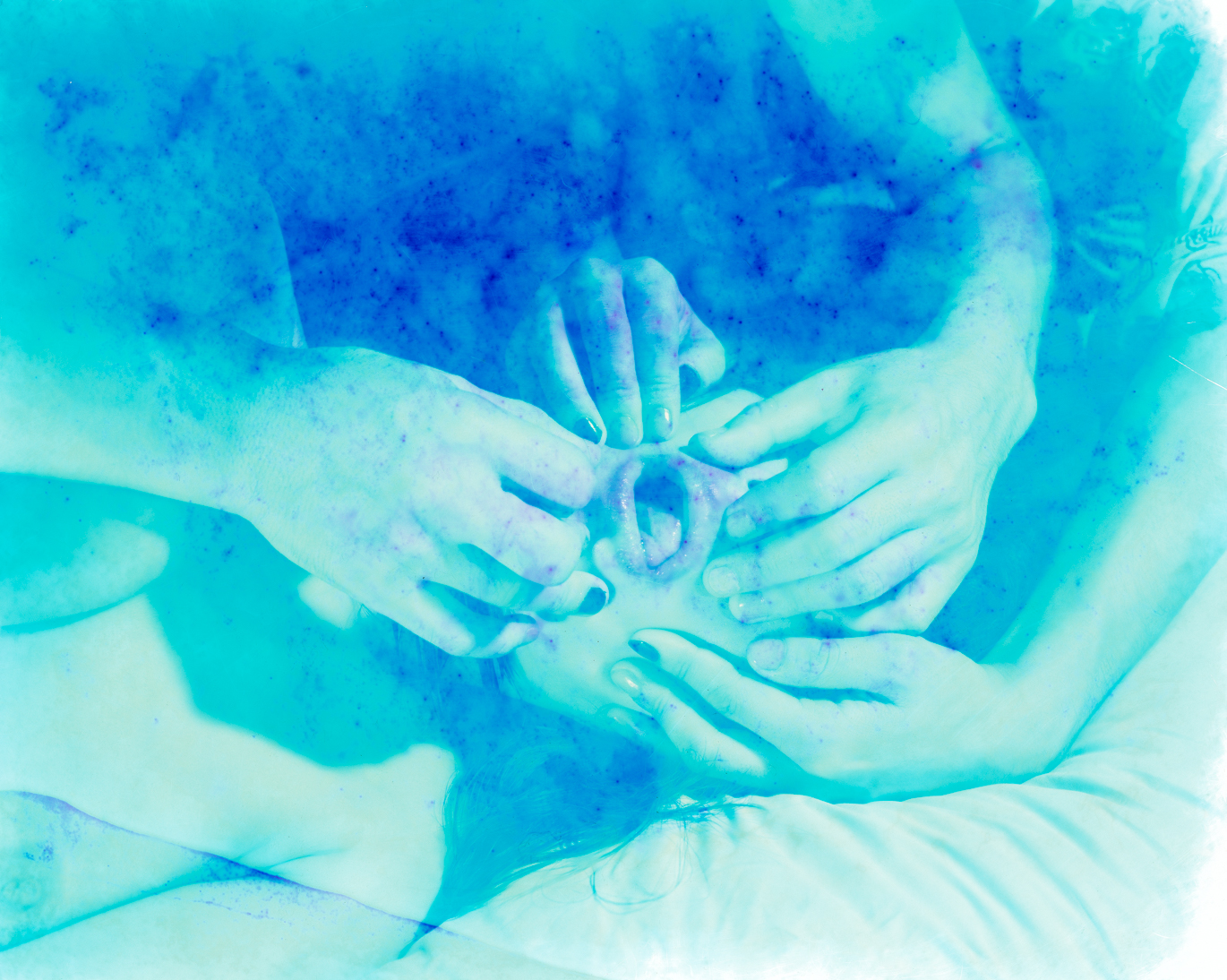
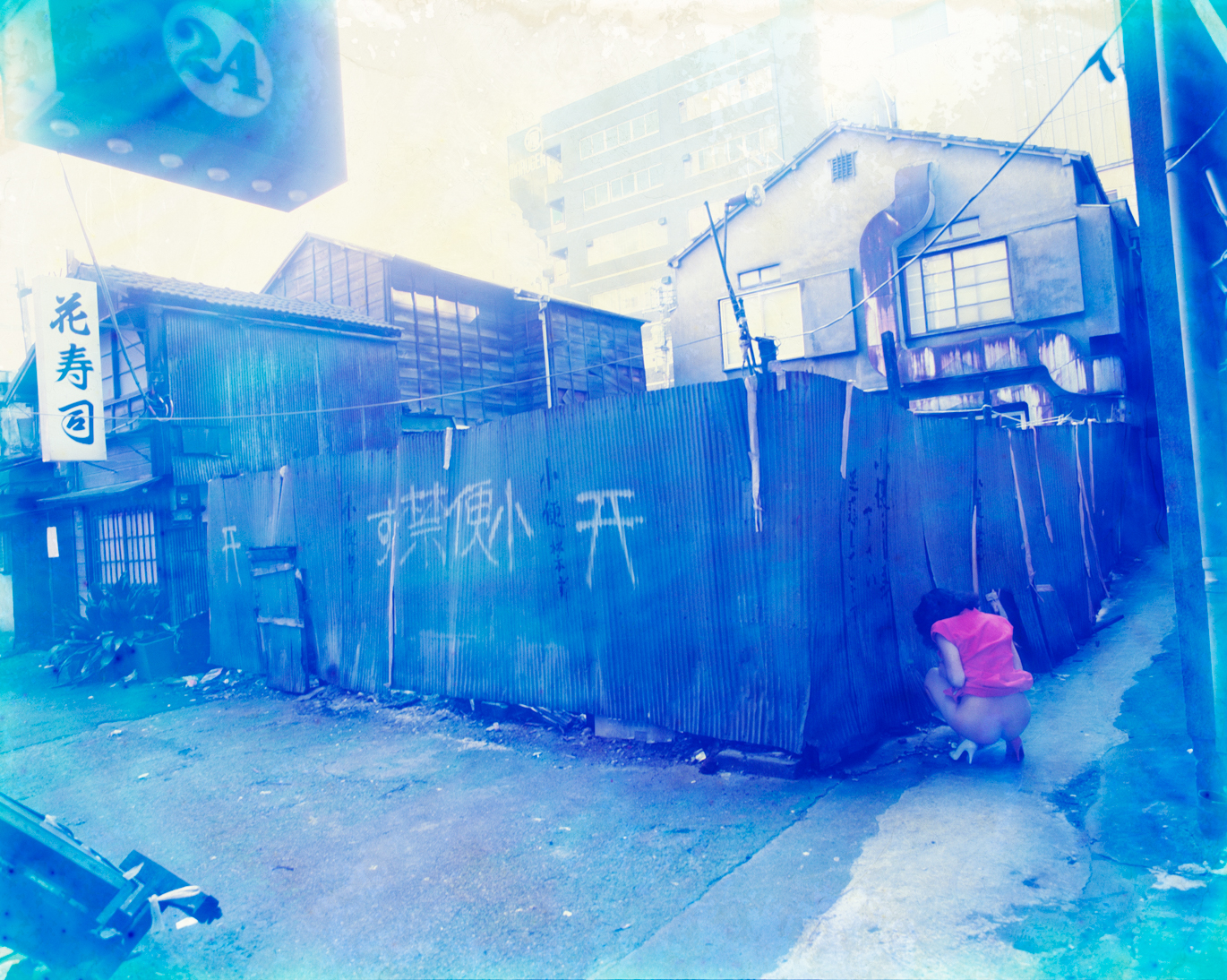
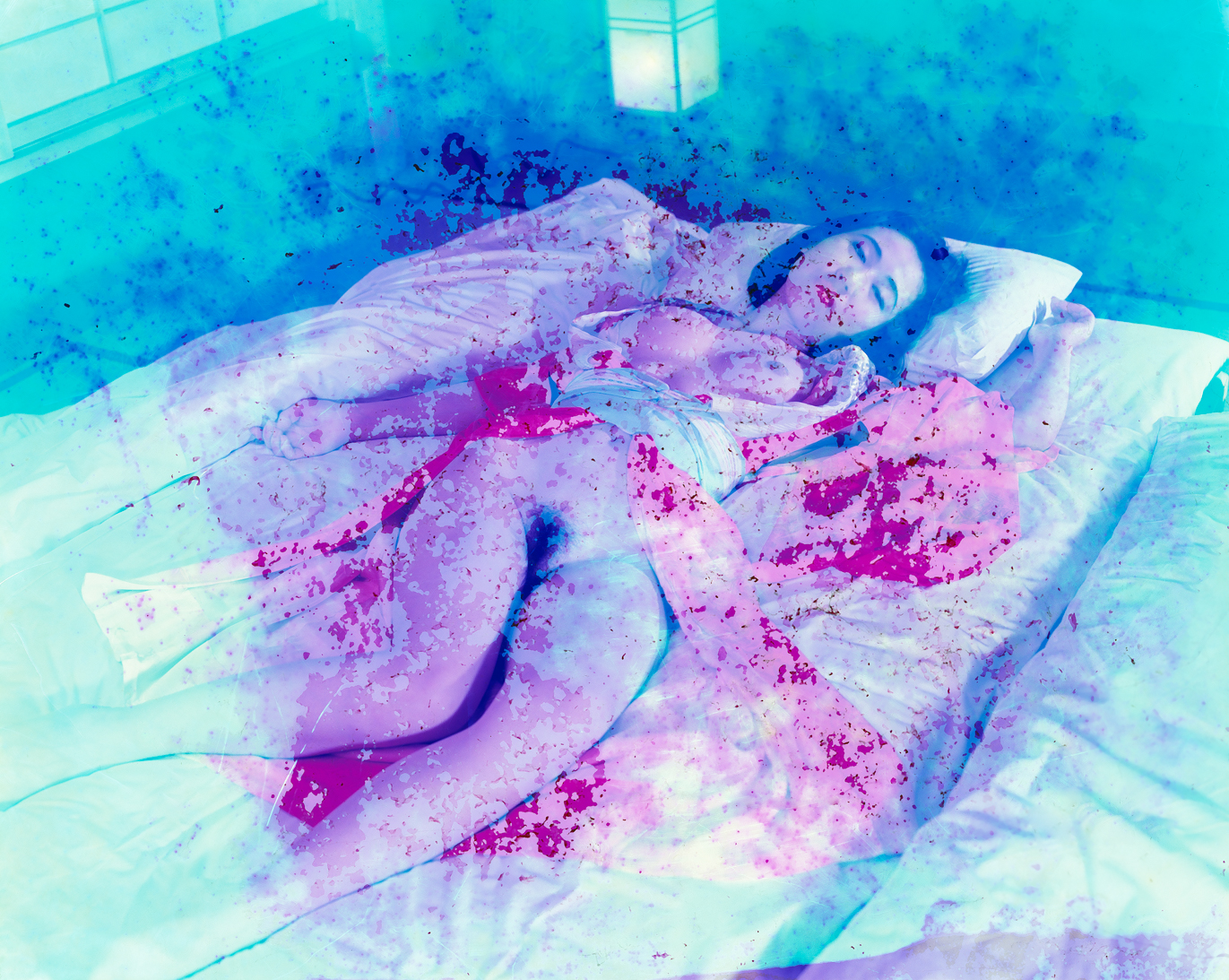
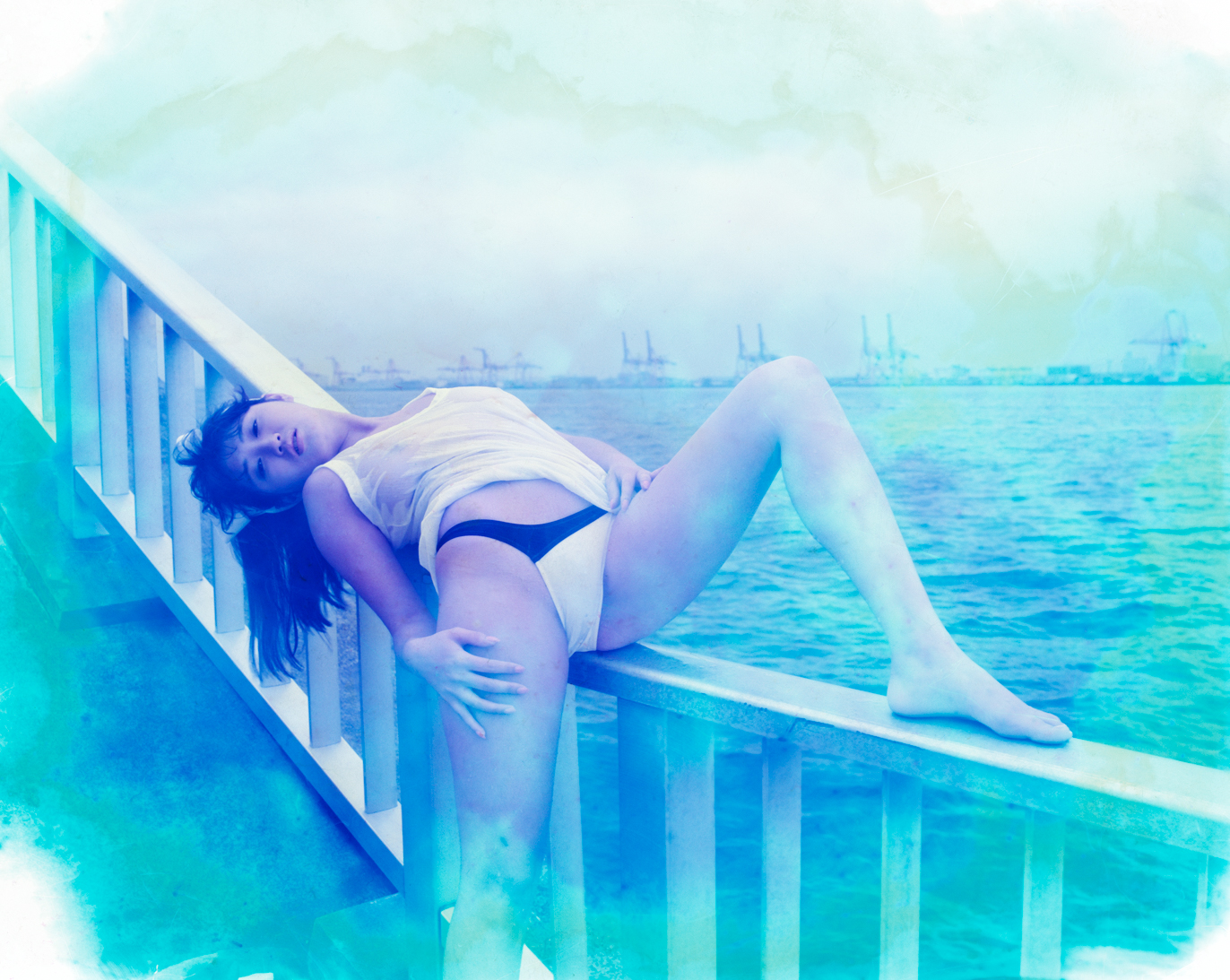
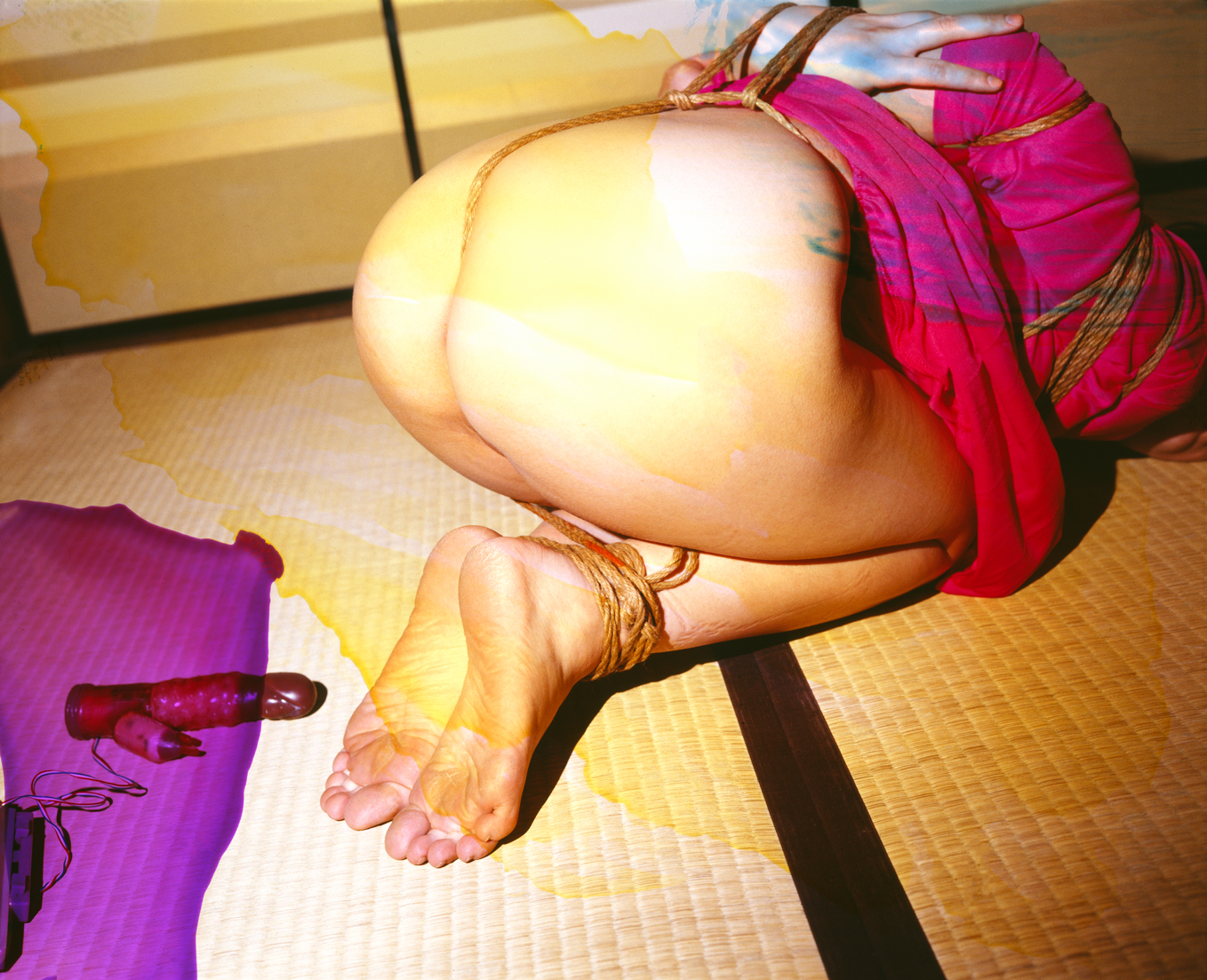
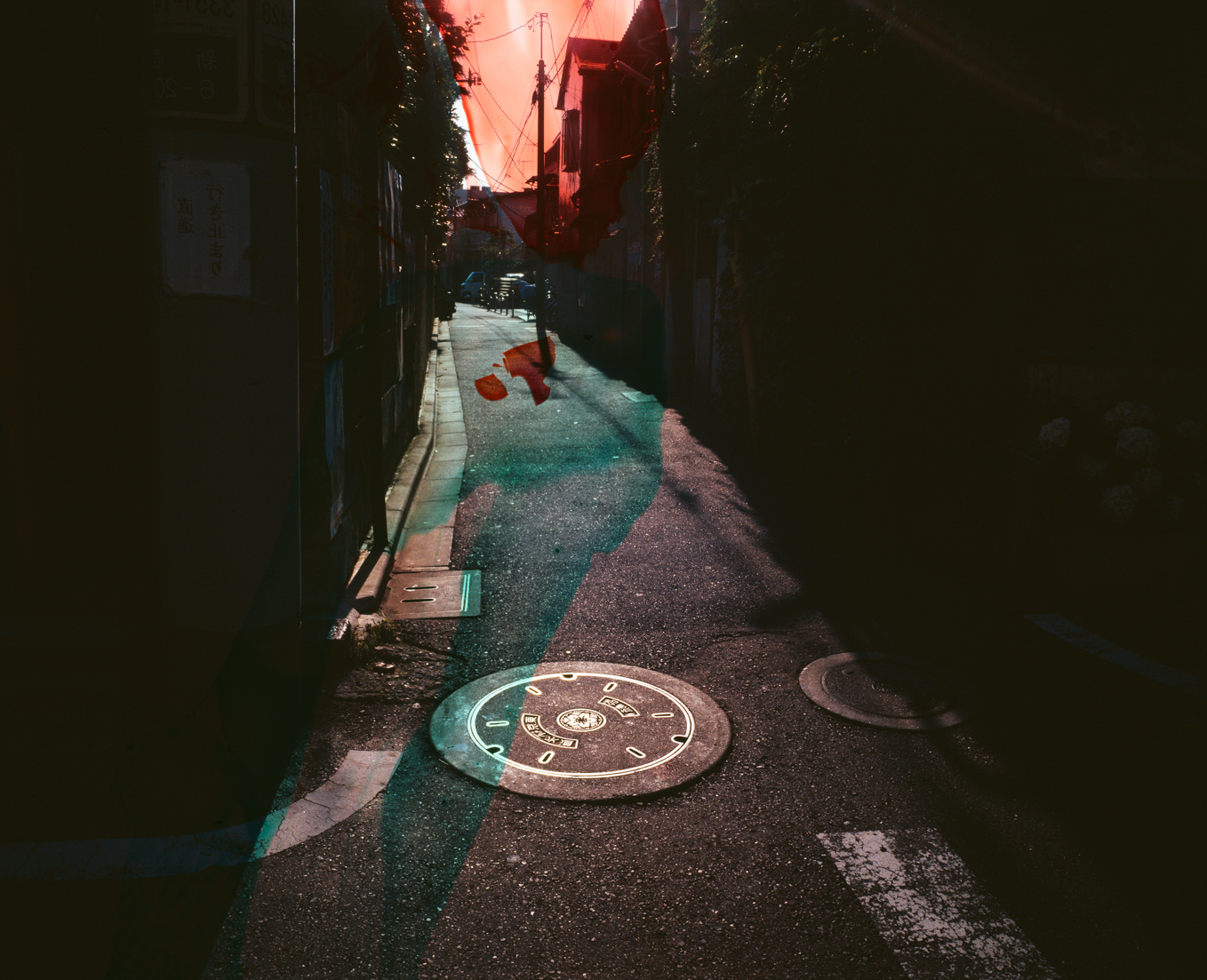
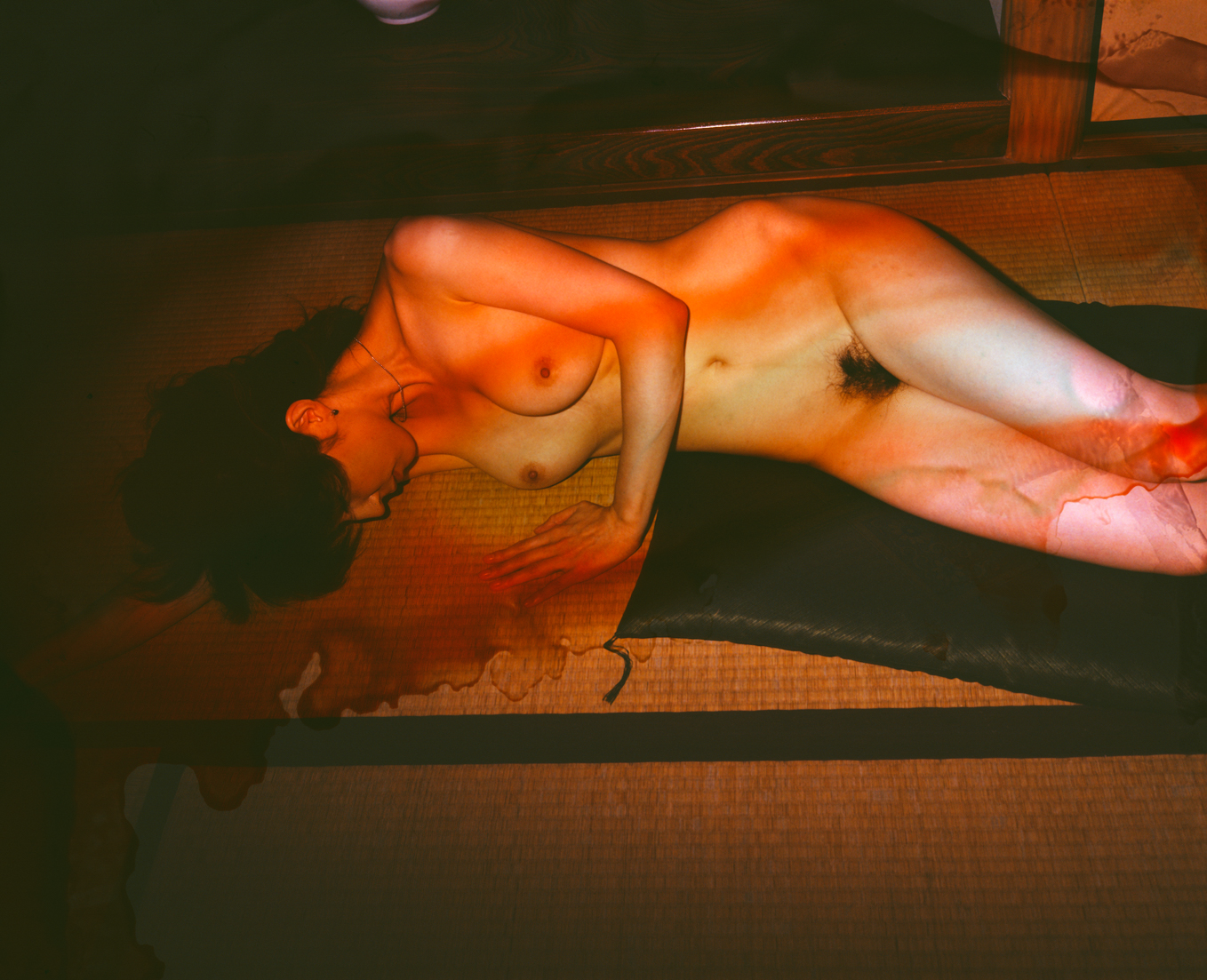
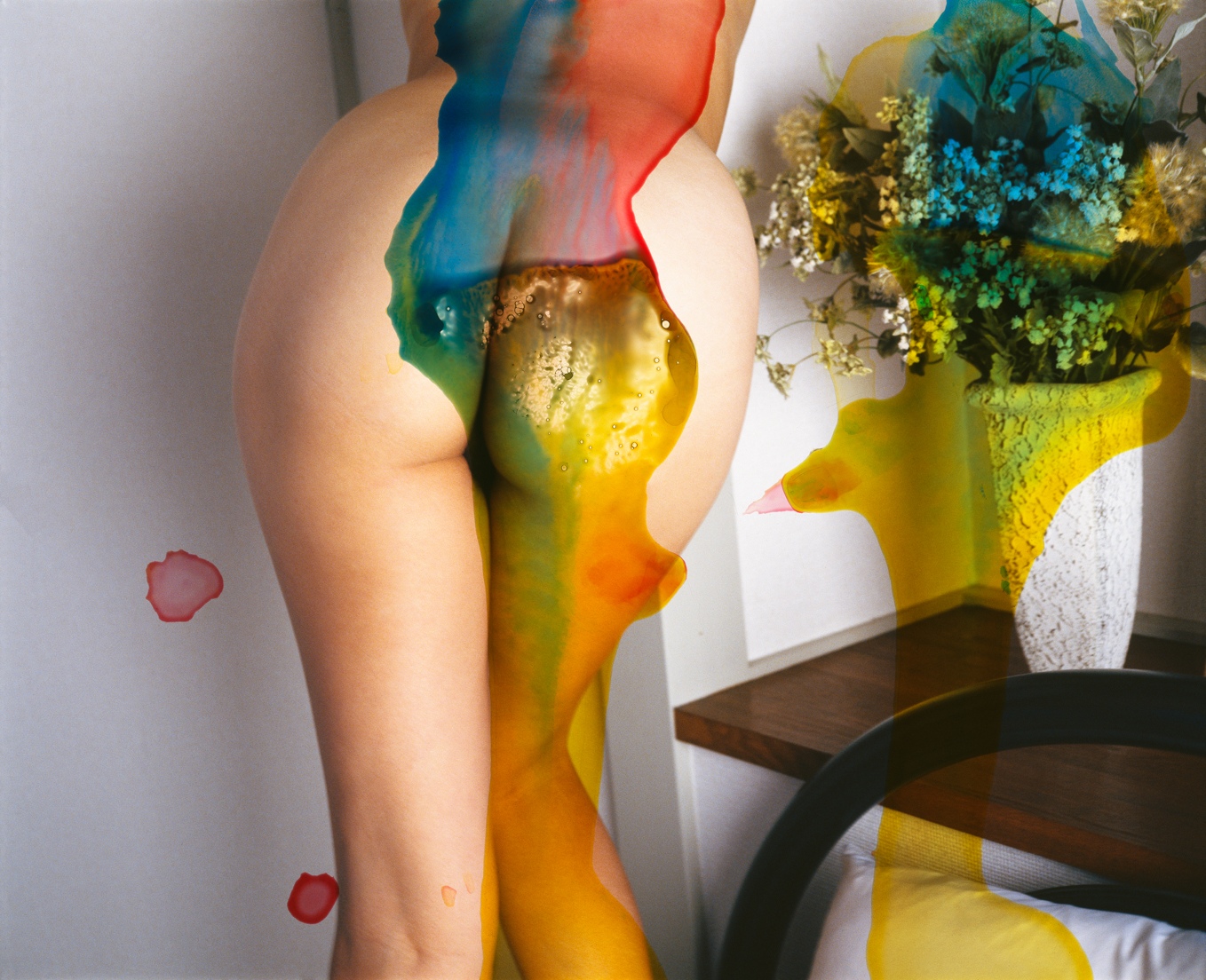
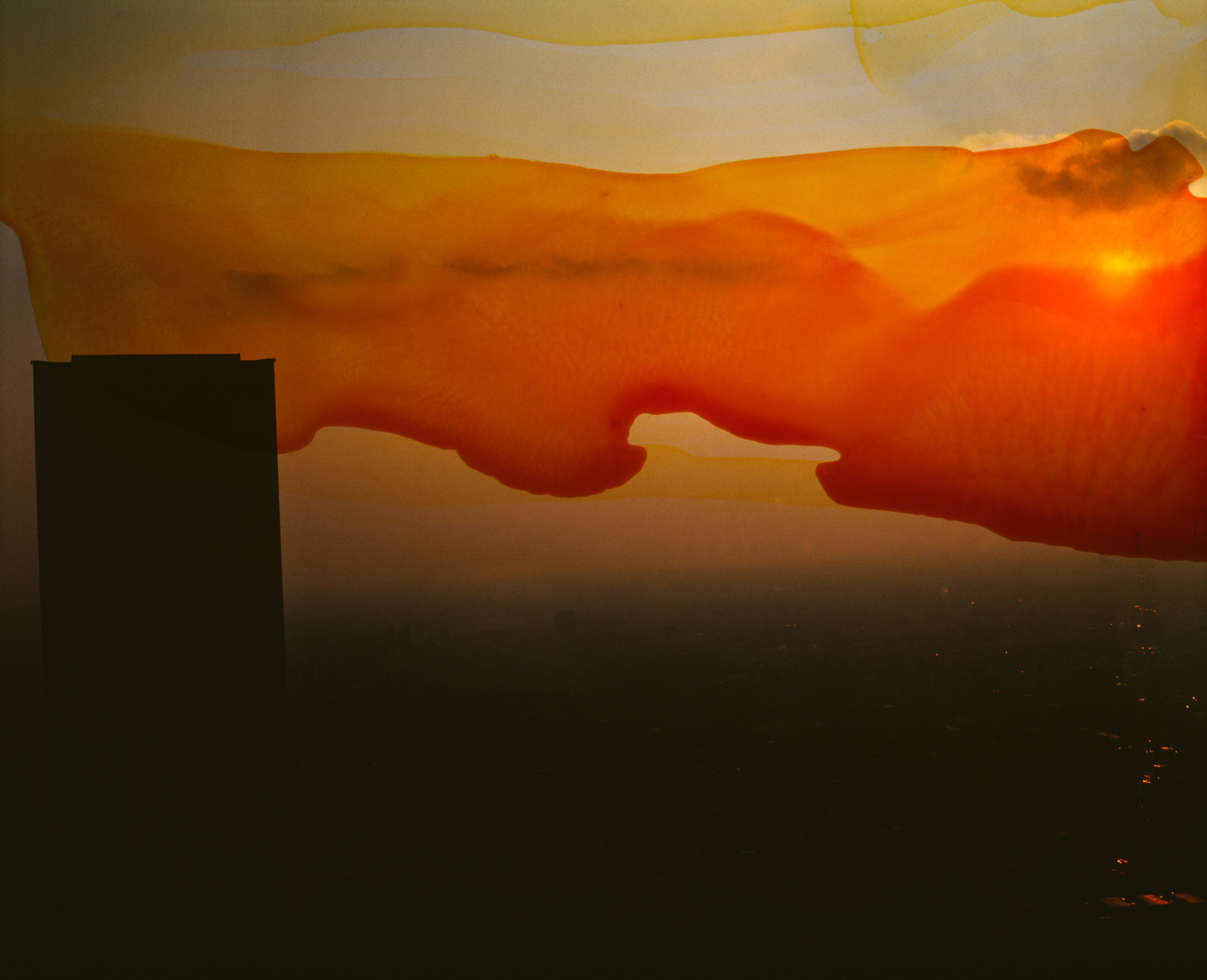
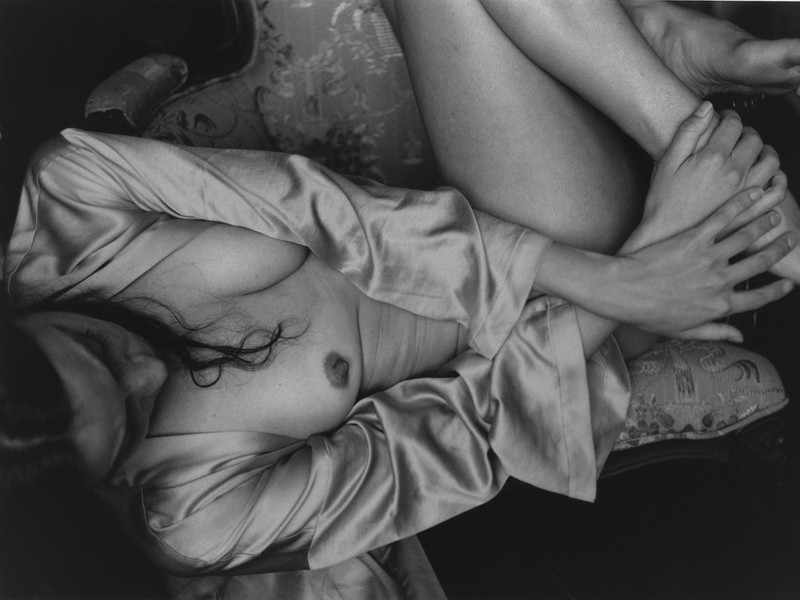
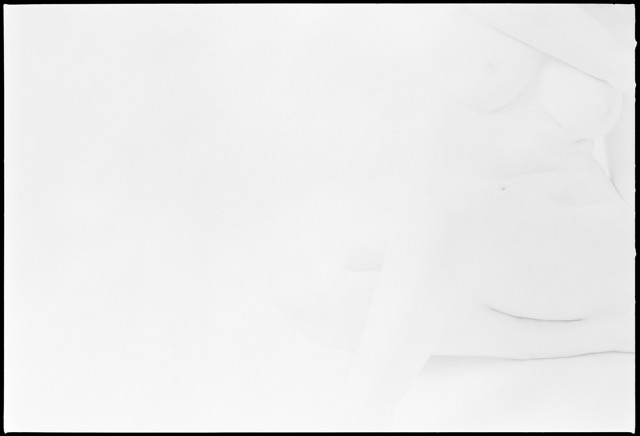
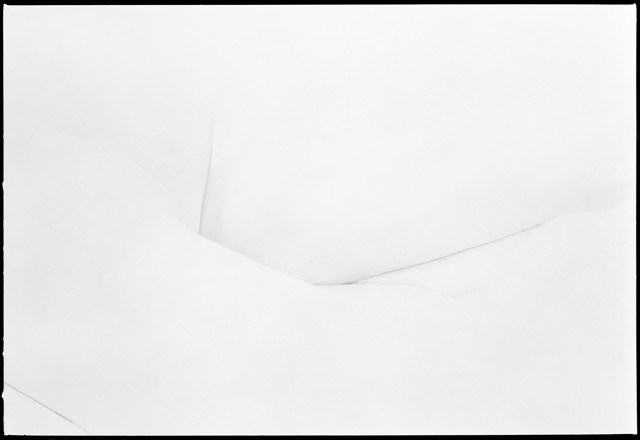
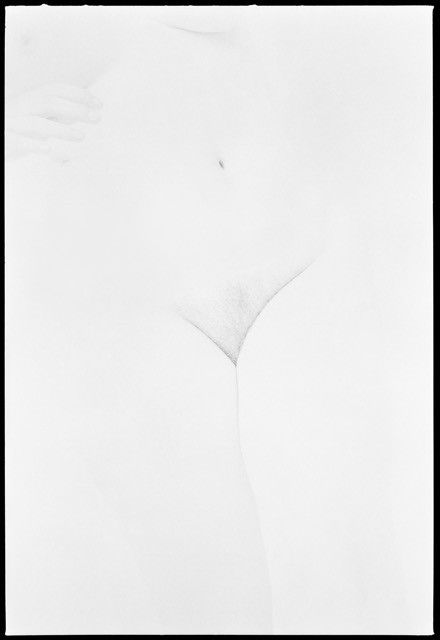
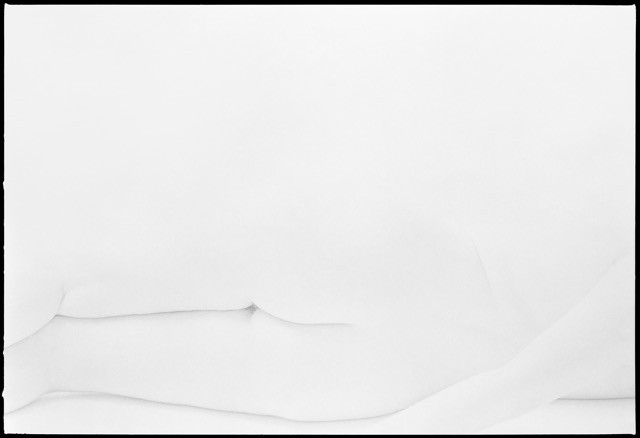
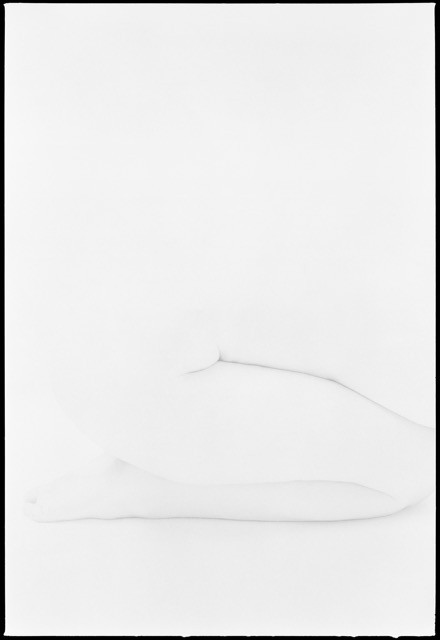
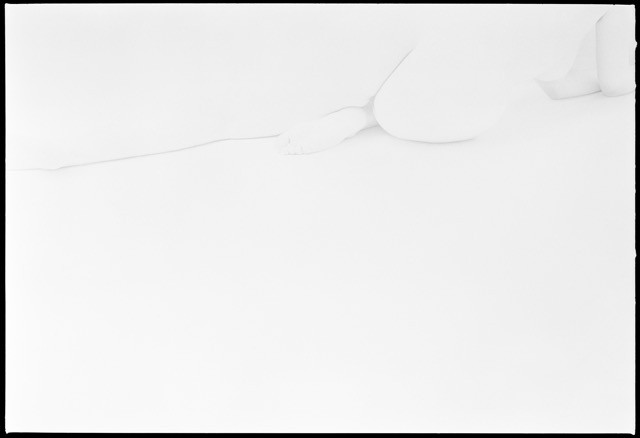
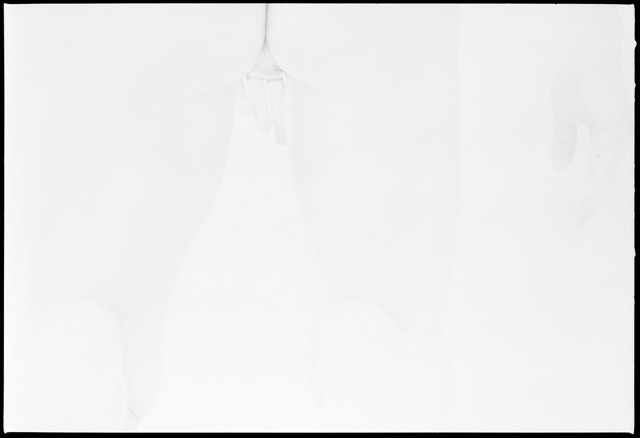
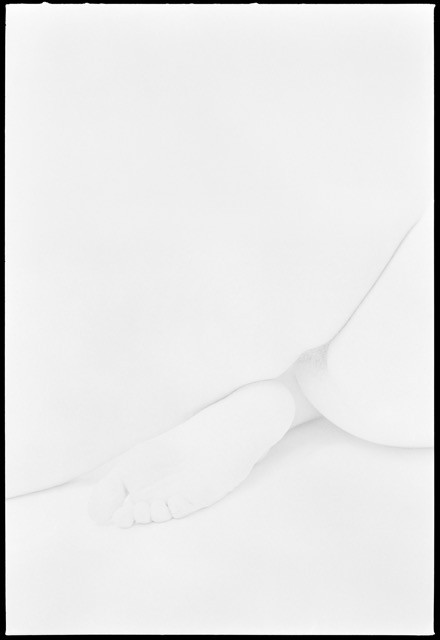
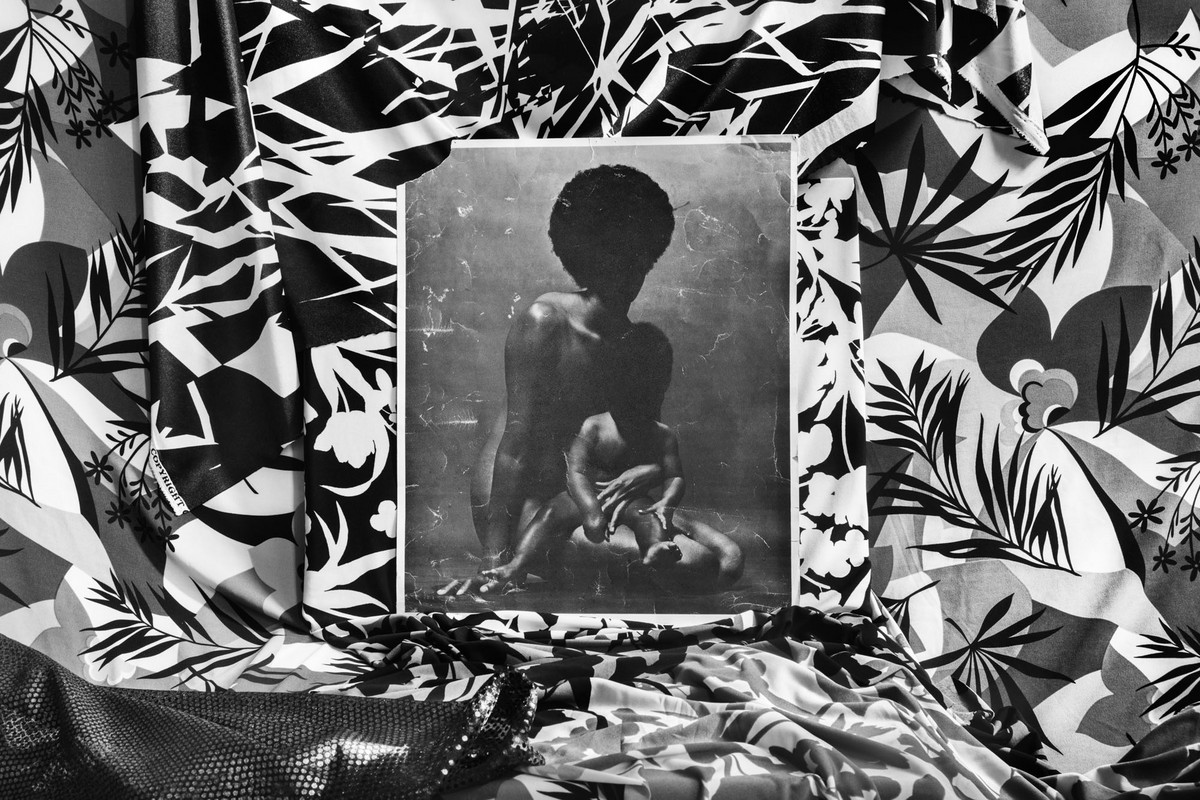
These pieces were born out of a fascination with a certain balance of information, how little could I hold onto and still have a body register as a body? There’s something beautiful about having the subject almost completely dissolve into the white of an overexposed image. It can feel very physical and ethereal simultaneously, and that ambiguity was something I was pretty hell-bent on holding onto.
That is interesting because it goes against a lot of classical compositions. Was it important, then, to leave the borders in?
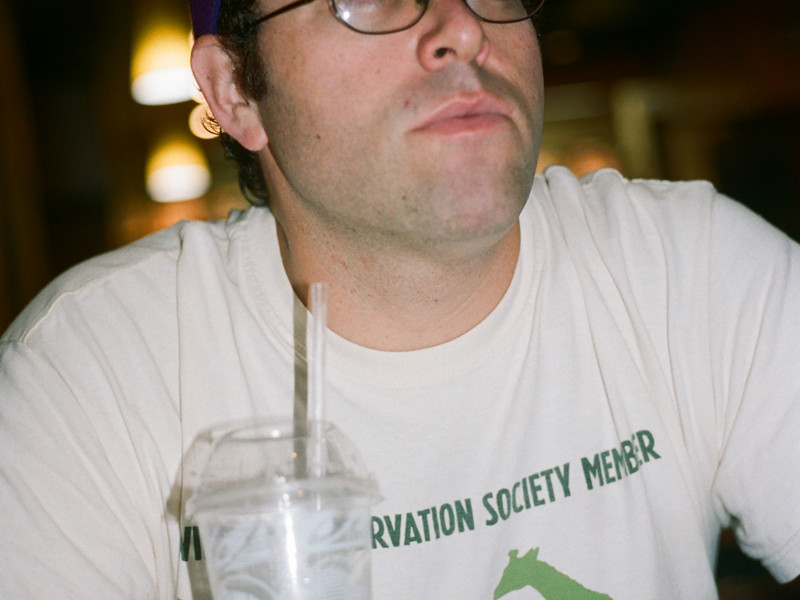
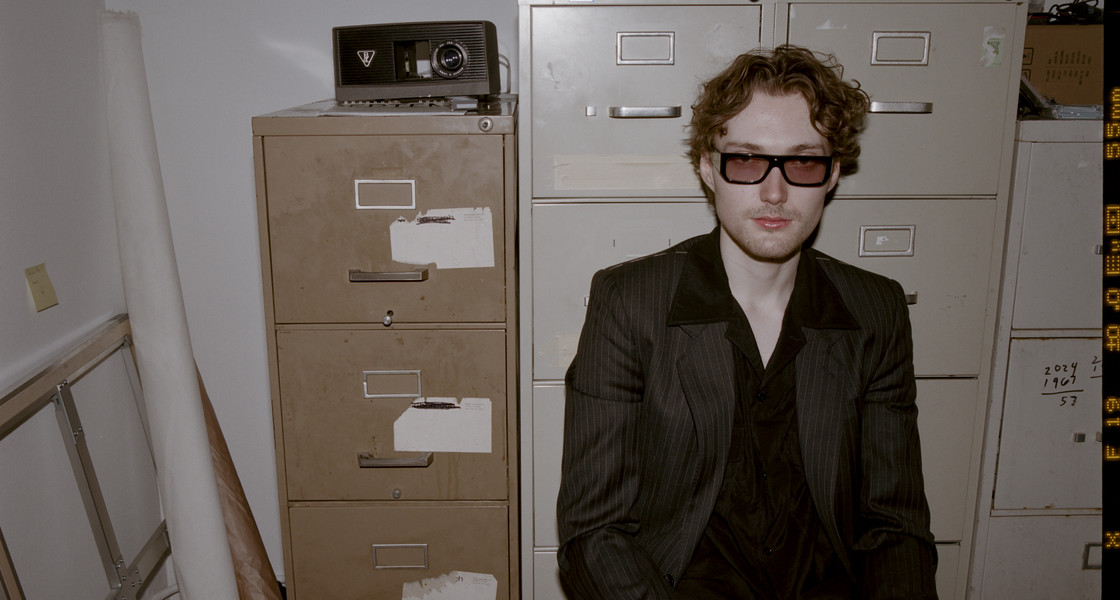
The rebate information was really more of a necessity for displaying the work unframed during the open studio than something I intend to carry into the final presentation. But I do like what it reveals, that these are the compositions as they were made, in-camera, on the day. There’s obviously a history of photographers leaving that information visible as a way to prove they didn’t manipulate their frames, and to insist on the full breadth of the image, flaws and all, which I admire, so it was interesting to let that language leak into the work temporarily
In your past work, you were working with tin types and sculptural configurations as a similar unsustainability. Would you say, similar to the destruction of the tin type, that these photos are in line with that work?
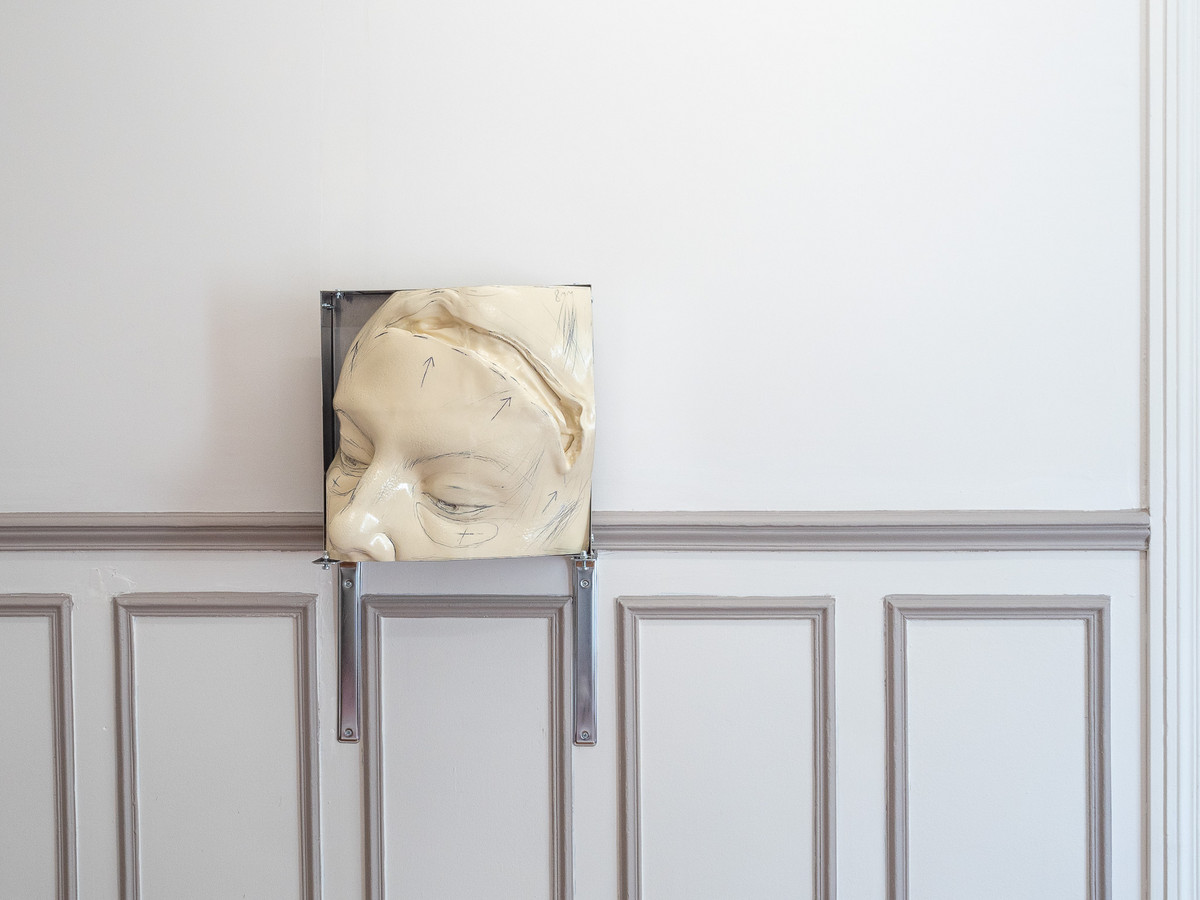
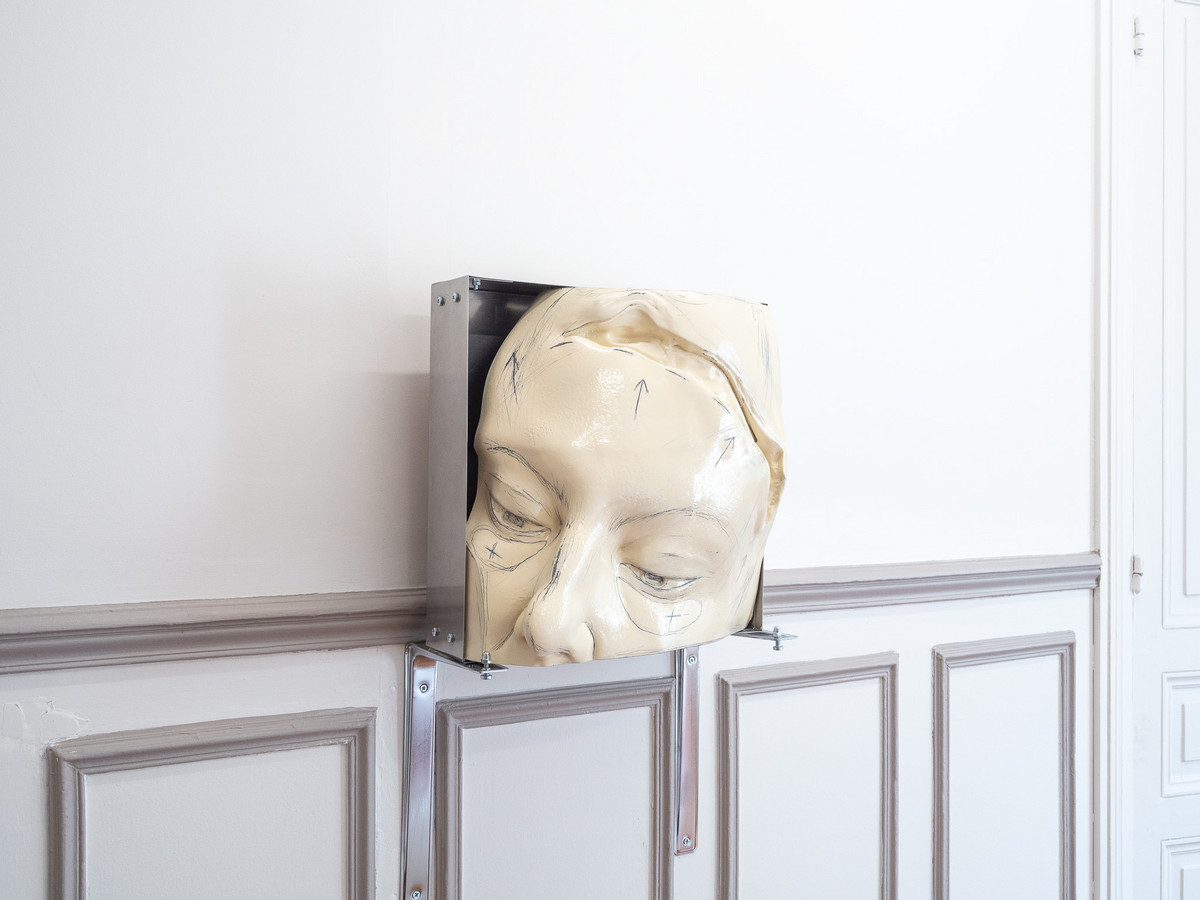
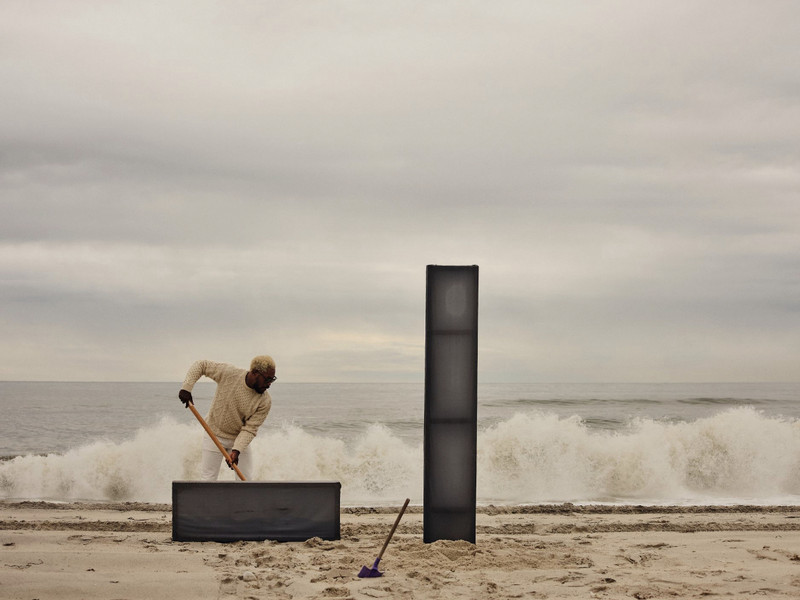
Absolutely, they’re in line “spiritually” with the previous work, even though the language is slightly different. The tintypes were much more destructive to the material, whereas here there’s a similar pressure being applied, though more delicately, through exposure. So the mechanism to get the result changed, but there’s a similar urge running through all the work.
Where does that come from? That preoccupation with a breaking point?
I think my attraction isn’t so much to breakage or destruction itself, but to the moment right before it, where things bend but don’t snap. I think of that as a kind of ceiling. When you ride an image right up against that ceiling, the scaffolding starts to become more obvious.
In this case, the overexposure doesn’t give a clearer view of the subject. Rather, it creates this contradiction where the more exposed the body becomes, the less visible it is. It starts to merge with the plane of the image, until you’re not quite sure whether it’s appearing or disappearing.
Images are, in a sense, a capturing of specific time. Do you think you're playing with time and conceptually pushing that notion with that overload?
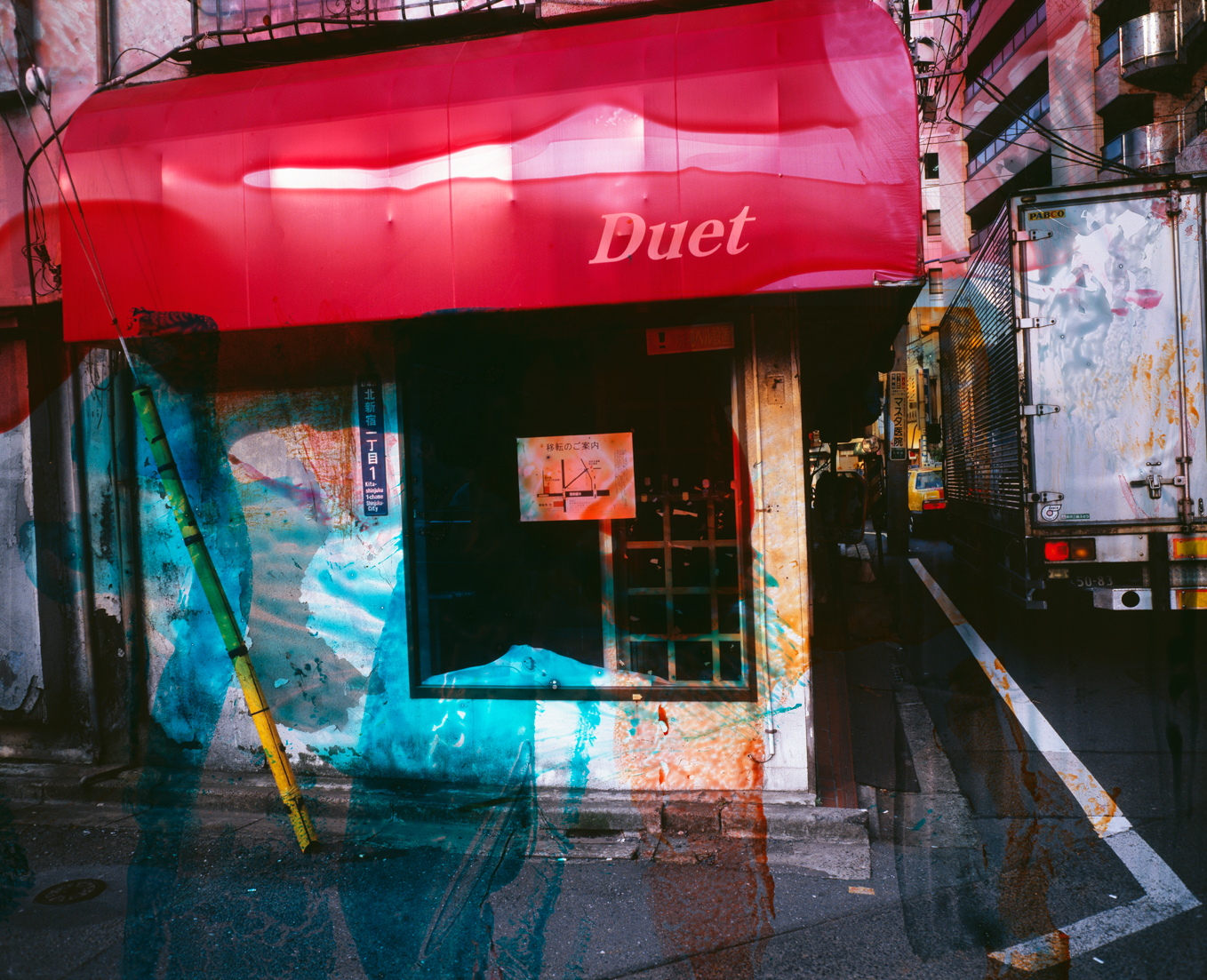
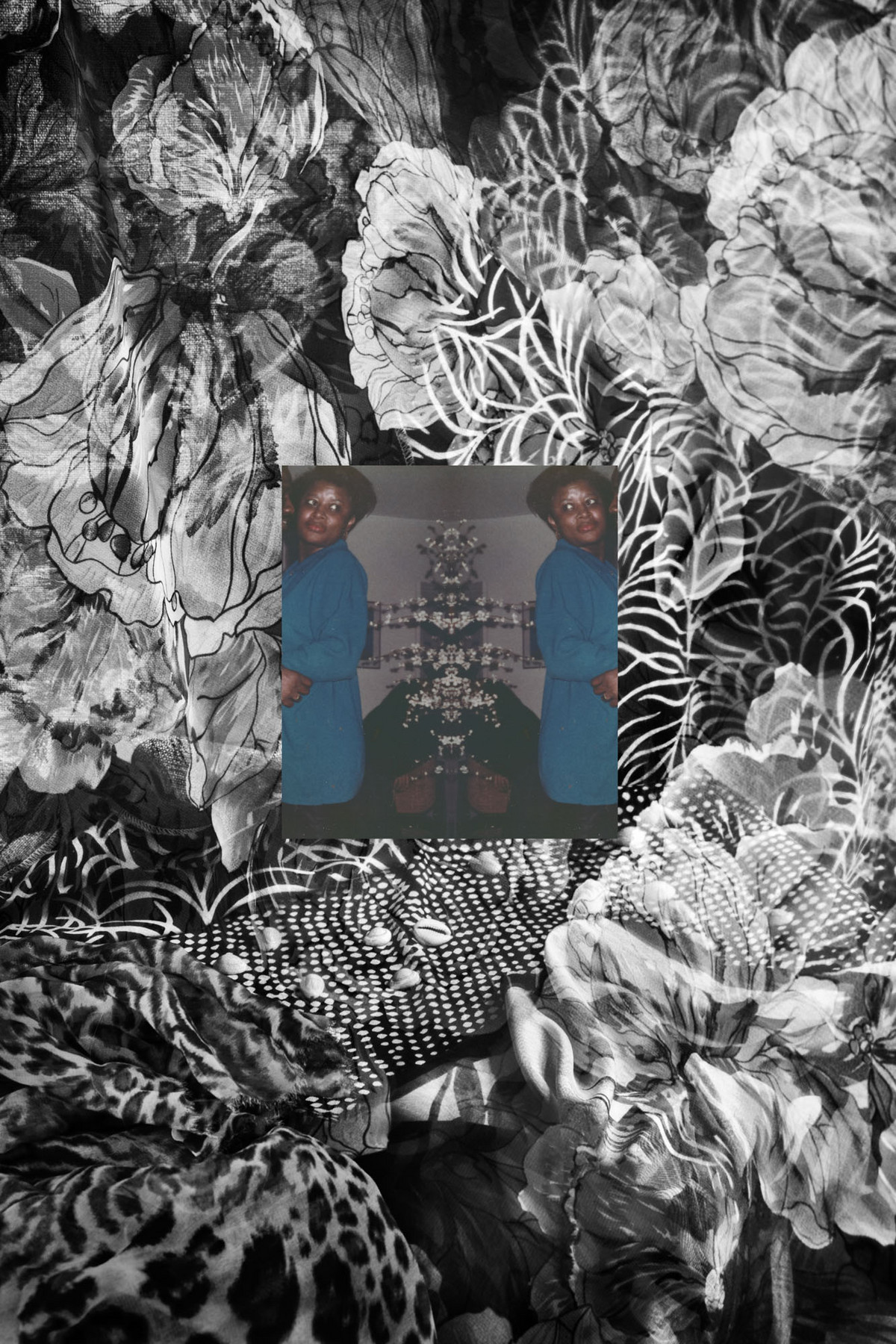
There’s certainly a relationship to time in my process. I’m less interested in capturing a specific moment than making that moment difficult to locate. I like to mix more historical processes with modern workflows, which allows for a kind of contamination between periods, so the image doesn’t quite tell you when or where it truly belongs. The overload pushes that idea because it strips away the info that would usually let us view the subject of the image. As the exposure is dialed up and the image becomes less definitive, the moment itself is suspended in the aforementioned temporal limbo.
Is it a way to show the systems by which the original images were made through comparison, or creation through convergence?
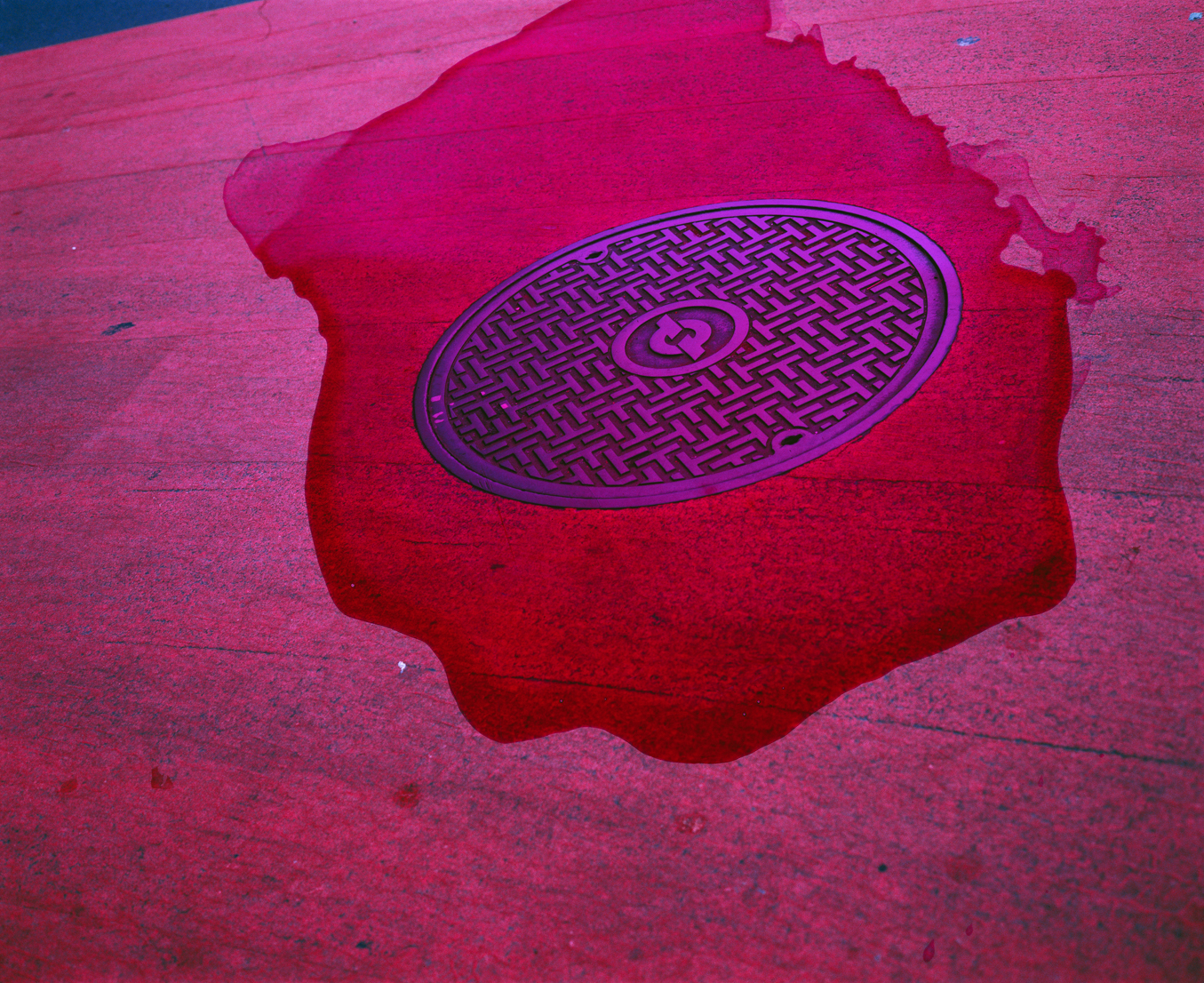
I think it is a creation through convergence. I’m less interested in comparing the systems than in what happens when they come into contact and start changing one another. Neither one really stays intact. The analog process changes what the digital can do, and vice versa, and what comes out is something that couldn’t really exist through either process alone. Each format, in a sense, gives me a different sandbox to play in.
Which shifts when you're moving from sculpture to video to photography.
Right, the medium shifts, but the impulse stays the same. Each one just gives me a different set of constraints to push against.